
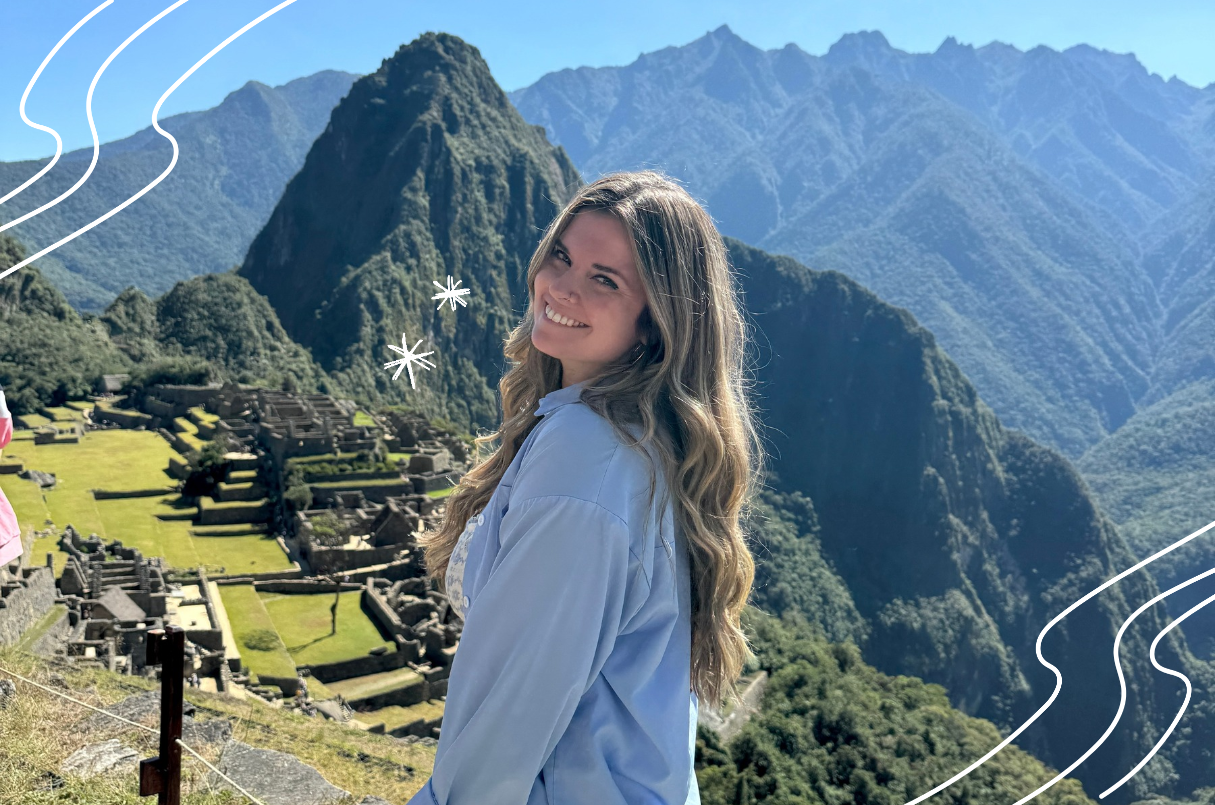
Every day, 90 teenagers walk through Crystal Sullivan’s door, and she meets them where they’re at. The West Palm Beach U.S. History teacher often opens class with “today’s tea time is really spicy,” and her students hold a 96% pass rate (compared with 75% statewide) on Florida’s U.S. History end-of-course exam. Outside of lesson plans, she keeps a “take whatever you need” closet stocked for students and organizes international trips so they can see the world beyond their zip code.
We talked about teaching how to think instead of what to think, the teachers who saw her potential first, and that caring for your students doesn’t mean accepting burnout.
Tell us who you are in a few words.
My name is Crystal Sullivan. I’m a Midwest girl at heart, born and raised in Iowa. I moved to South Florida ~15 years ago for my undergrad and Master’s degrees, and never left. For the last nine years, I’ve been teaching U.S. History in West Palm Beach.
Was teaching (and U.S. History) always the plan, or did that come later?
Growing up, teachers were the safest people in my life, and some of the first adults I ever trusted and felt loved by. The teacher I am today is because of them. I’ve always loved to read and to learn. Chapter books became a form of escapism for me in first grade, and I’ve always been drawn to history. When I finished my graduate program in Divinity, I only applied to teaching jobs. (I started out teaching theological courses and church history, and quickly realized that vibe wasn’t for me.)
I left teaching private school after two years and switched to public school. I first started teaching AP Human Geography and World History, and two years ago, funding for the AP program was cut in Florida. I’ve been teaching U.S. History ever since.
My classes are on the same schedule as college classes, so I get a new batch of students in August and in January. In some cases, I’m taking students who have 3rd grade reading level skills, and within five months, I’m helping them to pass a state exam.
In Florida, students have to pass an end of year exam in order to graduate, and to toot my own horn, my students have had a 96% pass rate. That pass rate is higher than both my county’s average and the state of Florida’s average (75%). Turns out, I love U.S History, and I’m damn good at it.
Walk us through a typical day in your classroom.
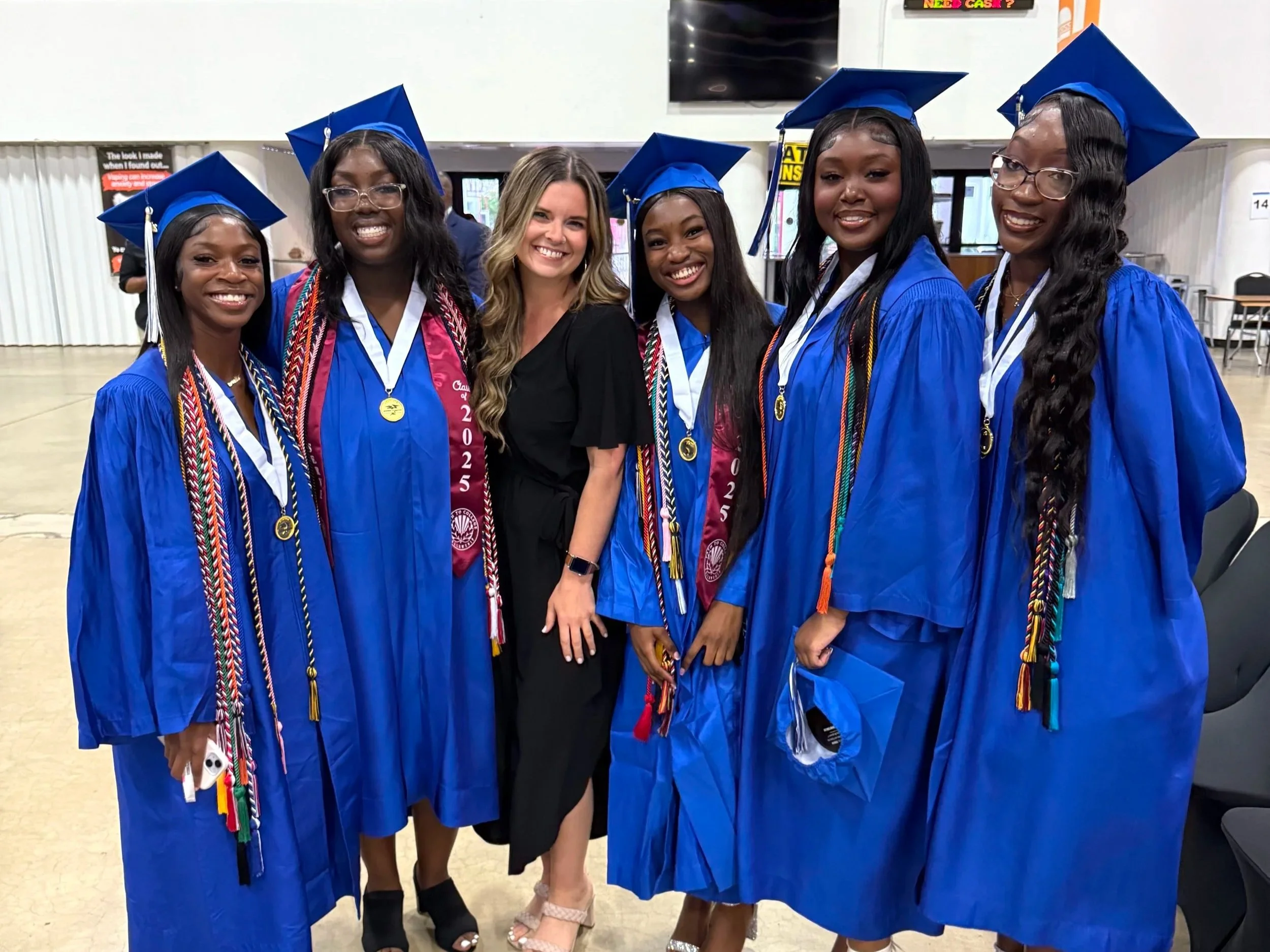
Every day, 90 teenagers walk through my door, and I meet them where they’re at. I never really know what the day is going to look like.
Some days that means diving straight into a difficult historical topic. Other days, it means slowing down and checking in, or finding a way to make a lesson feel more relevant. There are usually a few students I banter with throughout class, which brings some levity to what can sometimes be pretty heavy lectures. I think humor has a place in the classroom, especially when you're asking teenagers to engage with some of the toughest parts of American history.
Why do you think it matters that students are learning U.S. History right now?
In full transparency, I love a good gossip session—and to me, history is a form of that. A lot of the time, I start class by saying “today’s tea time is really spicy.” But on a more serious note, I’ve always been one to ask “why?” I’m so drawn to history because I ask myself daily, “How the hell did we get here?”
History gives students the context to understand the world they’re living in. Right now, they don't just need more information, they need the ability to understand information. Real history helps them develop that skill while giving them a deeper understanding of the country and their place in it.
Students are constantly exposed to conversations about race, immigration, government, workers’ rights, inequality, civil rights, and democracy. Without understanding where those issues come from, it can be difficult to make sense of them.
Teaching real U.S. history means being honest about both the progress of our country and the moments when we failed to live up to our own ideals. Students should understand slavery and Reconstruction, Jim Crow and the Civil Rights Movement, immigration, labor movements, wars, political change, and the experiences of people whose stories have sometimes been left out of traditional history.
My goal isn't to tell students what to think, it’s to give them enough historical context to think for themselves. I want them to be able to look at a claim, ask where it came from, examine evidence, recognize different perspectives, and form their own conclusions. I will never teach students what to think; I teach them how to think.
Between teaching, keeping your "take whatever you need" closet stocked, staying close with students after they graduate, and organizing international trips for your students, how do you practice slowing down?
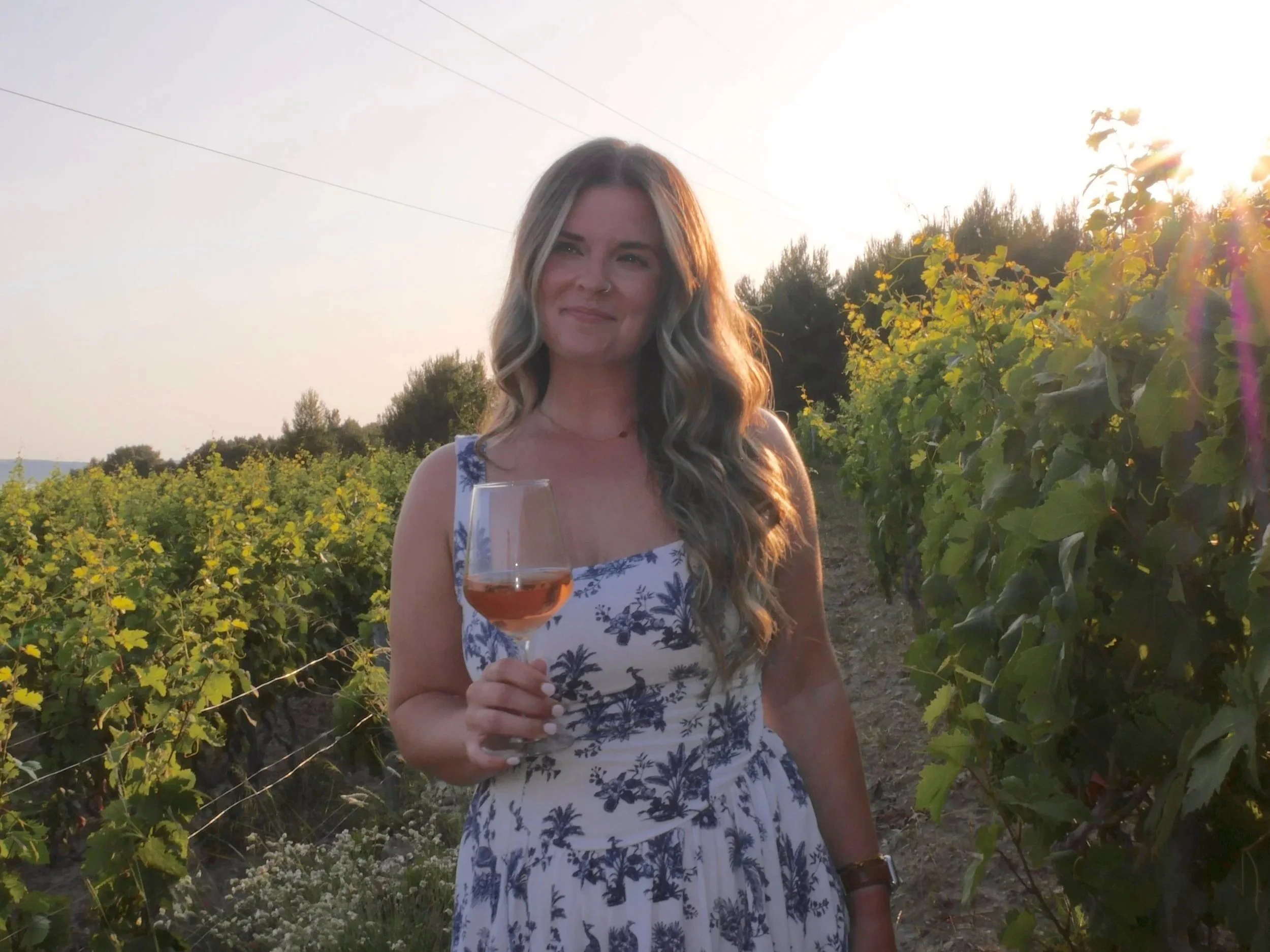
Honestly, I’m still learning how to slow down and prioritize myself. I love my students and tend to pour a lot of myself into what I do. I have to remind myself that there will always be another email, or another student who needs something.
I make time for the things that make me feel like myself outside of school: running, pilates, travel, time with friends and family. Sometimes I just pour a glass of wine and couch rot for an entire weekend. Teaching can easily become your entire identity if you let it.
Was there a teacher in your life who shaped how you show up for your students?
My school teachers Mrs. Abbitt, Mr. Buck, and Mrs. Drummond, and my college professors Dr. Wright and Dr. Werntz. I’m the educator I am today because they saw my potential despite the chaos of my upbringing, and spoke greatness into my future. They helped me believe that my circumstances didn’t have to determine who I’d become.
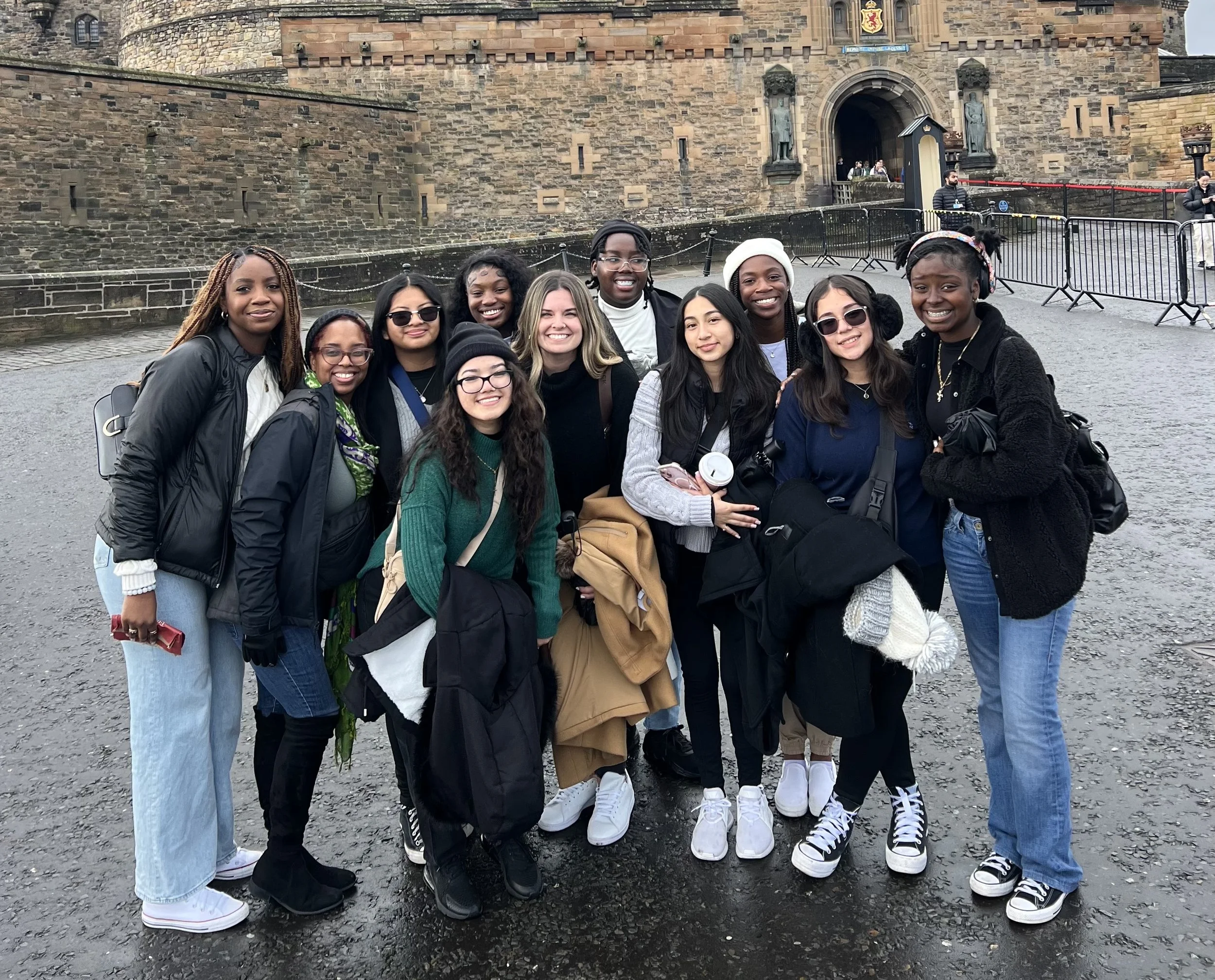
What's one of your favorite moments you've had with a student or a class?
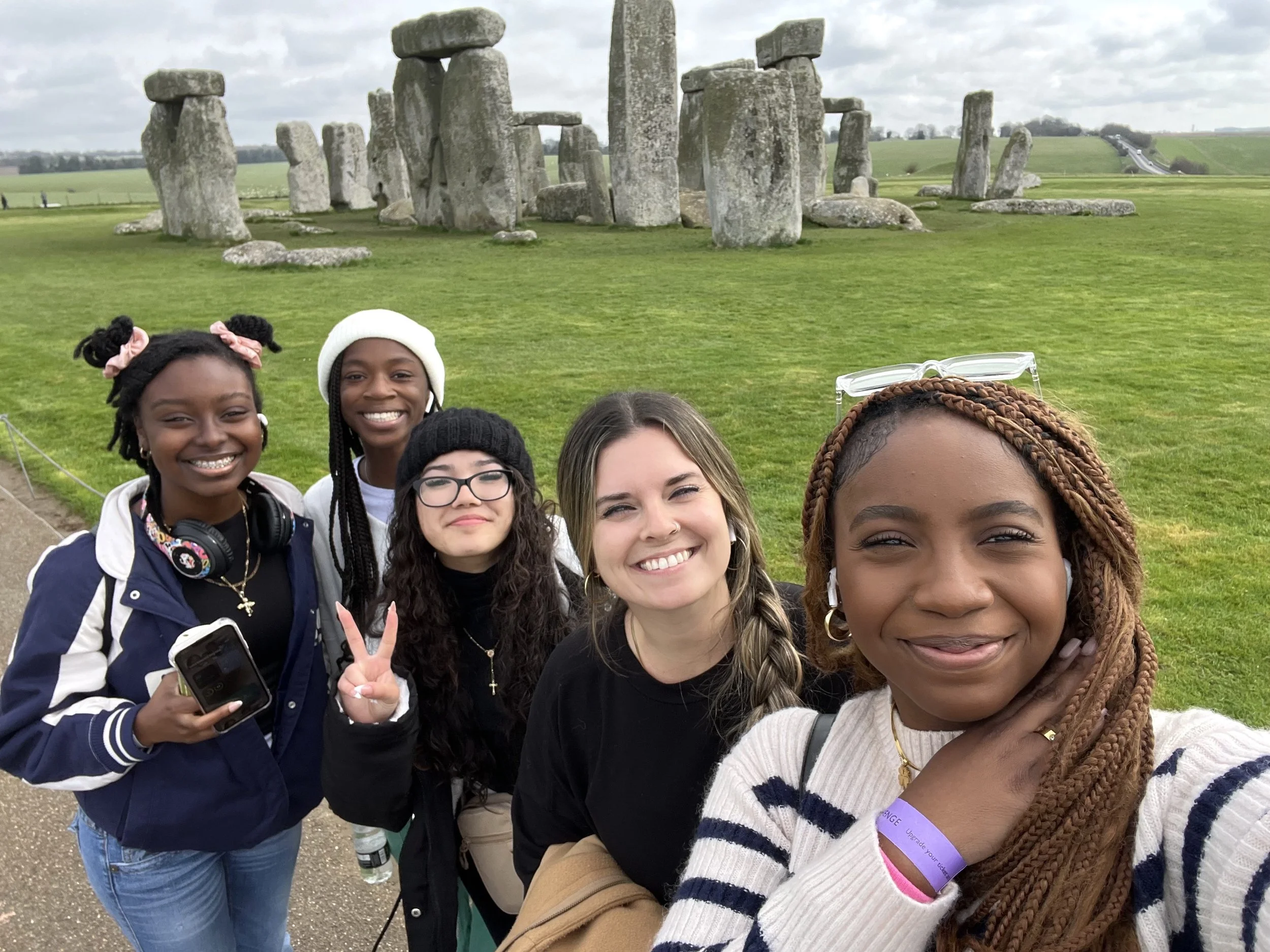
Three years ago, I took nine female students to England, Scotland, and France for 10 days. One of my favorite memories was one night after dinner, the girls and I were walking (/dancing) back to our hotel through the streets of London singing Paramore at the top of our lungs. Sorry to all of those that overheard us, but it remains one of my favorite memories today.
Teaching in a public school, especially in an under-resourced area, feels more thankless than ever. How can we help make an actual difference?
Pay teachers better, trust us as professionals, listen to us, and vote.
Teachers are increasingly being forced to choose between a profession they love and whether or not they can afford to live. I am included in that group. Florida ranks 50th in the nation for average teacher salary, while the cost of living continues to rise.
We need better pay, manageable class sizes, and adequate resources. But beyond all of that, teachers need to feel respected. We don't need to constantly hear that teaching is a “calling” as a reason to accept burnout or poor working conditions. We can love our students deeply and still deserve compensation and treatment as professionals.
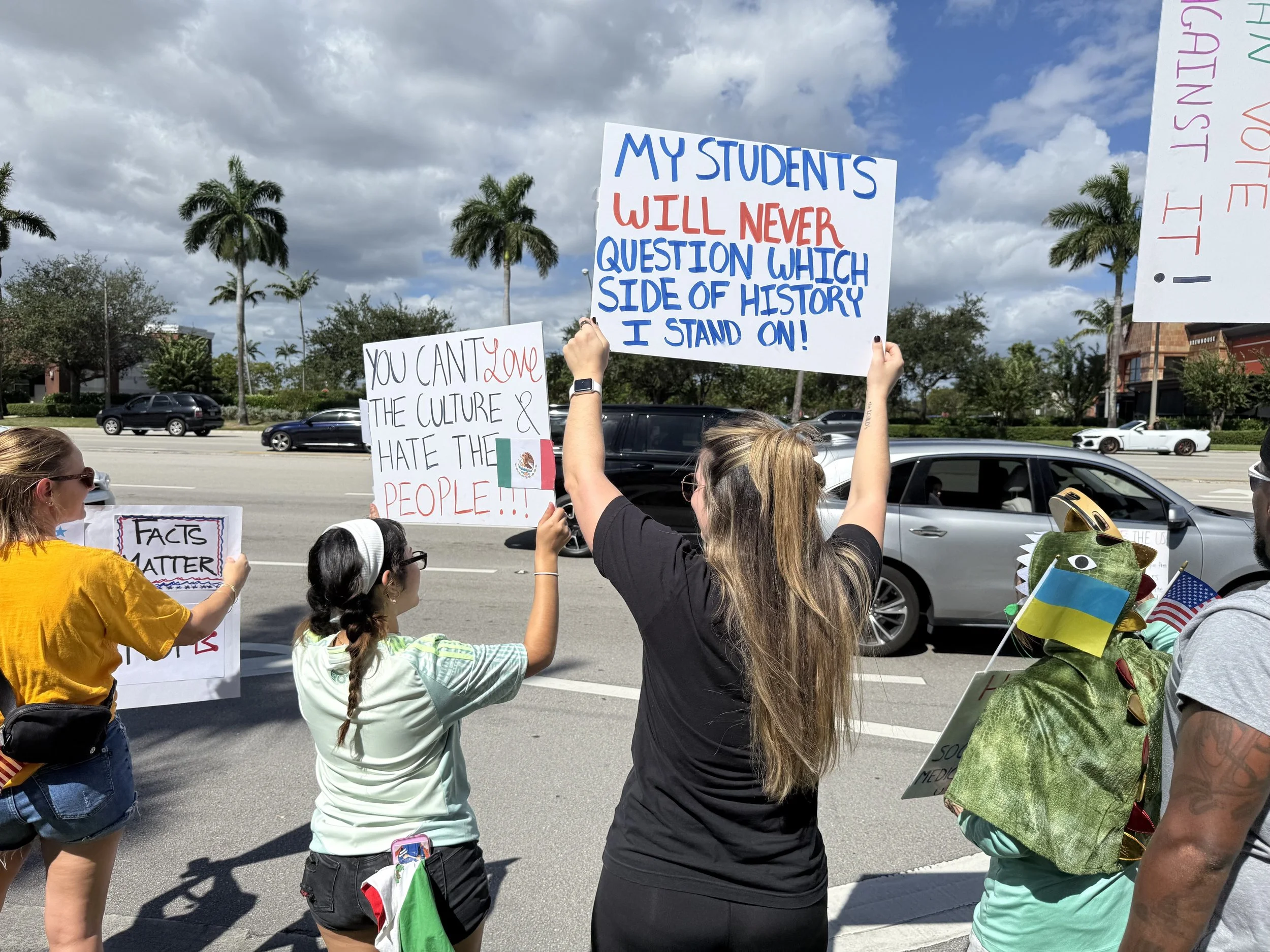
You've said your students are high achieving kids who don't see themselves as limited by their circumstances. What do you wish more people understood about this?
Being under-resourced does not mean being under-ambitious, under-talented, or under-achieving. My students are incredibly capable. They have big dreams, strong opinions, and so much potential. They don't walk into my classroom thinking, “I can't do this because of where I come from.” More often, they figure out how to make things happen despite the obstacles around them.
I also wish people understood that teaching in an under-resourced school is not about lowering expectations, it’s about figuring out what students need and finding a way to give it to them. My students deserve challenging curriculum, excellent teachers, and opportunities to see the world beyond their immediate circumstances. They don't need people to feel sorry for them. They need people to believe in them, invest in them, and give them the same opportunities we would give any other student.
What would your advice be to other teachers who want to go beyond the curriculum to make an impact on their students?
The students in front of you are more important than the curriculum. However, you don't have to change a student's life every day. Sometimes making an impact simply means showing up consistently and making a student feel seen and heard. Learn what makes them laugh, what they care about, what they’re good at, and what they struggle with.
Let them see that you’re a real person, too. Let them stay after class to talk, and be the adult who believes in them when they struggle to believe in themselves.
But take care of yourself, too. Teaching is important, but it cannot be your entire life. Set boundaries, take your breaks, have a life outside of school, and give yourself permission to not be perfect. You can be a deeply caring teacher without sacrificing yourself in the process.
What's something you're currently learning—in the classroom or about yourself?
I’m learning that I don't have to do everything, and I can give my students my best without giving them every ounce of myself. I’m learning to set better boundaries, take care of myself, and accept that sometimes ‘good enough’ really is good enough.
What are you watching, reading, or listening to right now?
My guilty pleasure is Secret Lives of Mormon Wives, and I’m obsessed with this current season of Ted Lasso. I’m currently reading a historical fiction book about the Vietnam war called The Sympathizer by Viet Thang Nguyen. Highly recommend.
Who are some women in education (or elsewhere) you look to for inspiration?
I really admire the way Sharon McMahon (@sharonsaysso) makes history and government accessible to those who may not have considered themselves “history people” or “political.” She has a way of taking complicated topics and breaking them down without talking down to her audience, which resonates with me deeply. I also appreciate how she makes civic engagement feel like something we can all participate in. You don't have to be an expert to care about your community or understand what’s happening in your country. I try to give my students that message every day.
Anything we didn't ask that you'd like us to cover?
Again, please vote. Vote to support your public school teachers. Vote for the students sitting in our classrooms every day. And most importantly, stay engaged. Ask questions, learn what is happening in your schools, and use your voice. Our students deserve adults who are willing to show up for them.
How can folks get in touch/support you? Drop your links.
Showing some love on my teacher wishlist is always so helpful. Feel free to shoot me an email or follow for the fun on TikTok.
Join the Each is Every community!
Check out our service offerings at EiE Studio
Submit a profile nomination
Follow us @eachisevery